


Air source treatment components for Australian pneumatic circuits: a practical guide
Time:
2026-11-29 03:31
Author:
Lida
Article overview
Australian pneumatic systems depend on properly filtered, regulated and lubricated air before it reaches any control valve. This guide explains how air source treatment components work together, how to choose the right mini solenoid valve for local operating conditions, and what specifications — voltage, port size, pressure rating and body material — actually matter when you're comparing options or buying online in Australia.
Table of contents
- What air source treatment actually does in a pneumatic circuit
- The three core components: filter, regulator and lubricator
- Where a mini solenoid valve fits into the circuit
- Voltage, port size and pressure: matching specs to your application
- Irrigation vs. industrial: two different solenoid valve categories
- Body materials and why they matter in Australian conditions
- Buying solenoid valves in Australia: what to check before ordering
- Frequently asked questions
If a pneumatic circuit is producing erratic actuator movement, premature valve failures or unexplained pressure drops, the most common cause isn't the valve itself — it's untreated compressed air upstream of it. Moisture, particulates and pressure fluctuations degrade solenoid valve seals and pilot circuits long before the valve reaches its rated service life. Getting the air source treatment right is therefore the foundation of any reliable pneumatic system, whether you're running a full industrial production line or a compact automated setup using a mini solenoid valve sourced locally in Australia.
What air source treatment actually does in a pneumatic circuit
Compressed air from a standard compressor is rarely clean enough to feed directly into precision control valves. The compression process introduces moisture vapour, compressor oil carry-over and pipe scale into the air stream. Left untreated, these contaminants cause three specific problems in a pneumatic circuit.
First, moisture promotes internal corrosion in valve bodies, particularly in brass and aluminium components. In Australian coastal environments, where ambient humidity can be high for extended periods, this accelerates faster than manufacturers' standard wear estimates account for. Second, particulates erode valve seats and pilot orifices, increasing leakage over time. Third, unregulated line pressure causes overcycling in spring-return actuators and shortens seal life in anything operating at the lower end of a valve's rated pressure range — which is exactly the situation with many small solenoid valves and micro solenoid valve designs used in compact automation and DIY pneumatic projects.
Air source treatment addresses all three issues before the air reaches any downstream component. The practical outcome is longer valve service life, more consistent actuator positioning and fewer unplanned maintenance events.
The three core components: filter, regulator and lubricator
Air source treatment is typically delivered by an FRL unit — a modular assembly of a filter, a regulator and a lubricator, usually mounted in that order close to the point of air entry into the working circuit. Each component has a distinct and non-interchangeable function.
Filter
The filter removes liquid water, oil aerosols and solid particulates from the compressed air stream. Filter elements are rated by their removal efficiency at a specified micron size. For general pneumatic applications, a 5-micron element is a common starting point; for systems with sensitive pilot-operated valves or precision actuators, a 0.3-micron coalescing element is more appropriate. Auto-drain filters, which discharge collected liquid automatically at a set bowl level, reduce maintenance requirements in installations where manual draining is impractical.
Filter bowl capacity should be matched to the volume of air consumed by the circuit and the duty cycle of the compressor. Undersized filter bowls require more frequent draining and can allow liquid carry-over into the downstream circuit during high-demand periods.
Regulator
The regulator reduces and stabilises line pressure to the working pressure required by downstream components. This is not simply about limiting pressure to a safe level; it also protects components that have a relatively narrow operating range from pressure spikes during compressor cut-in. Many low pressure solenoid valves and miniature pneumatic actuators are rated for a maximum working pressure of 0.8 MPa or lower, and operating them intermittently above that rating accelerates diaphragm and seal fatigue.
Regulators with an integrated pressure gauge allow operators to verify that working pressure is within the specified range without additional instrumentation. Panel-mount regulators with lockable adjusters prevent unintended changes to set pressure in shared workshop environments.
Lubricator
The lubricator introduces a metered quantity of oil mist into the air stream to lubricate downstream pneumatic actuators and valve internals. However, not all pneumatic systems need a lubricator. Many modern electric solenoid valves and compact actuators are designed with pre-lubricated, non-oil-dependent seals. Introducing oil mist into a circuit with these components can actually degrade the seals over time by washing out the factory-applied lubricant.
Before adding a lubricator, check the seal material specifications for all downstream components. PTFE and polyurethane seals in many miniature valves are incompatible with petroleum-based compressor oils. If your circuit includes both oil-dependent and oil-sensitive components, consider using a lubricator on a separate branch serving only the oil-dependent actuators.
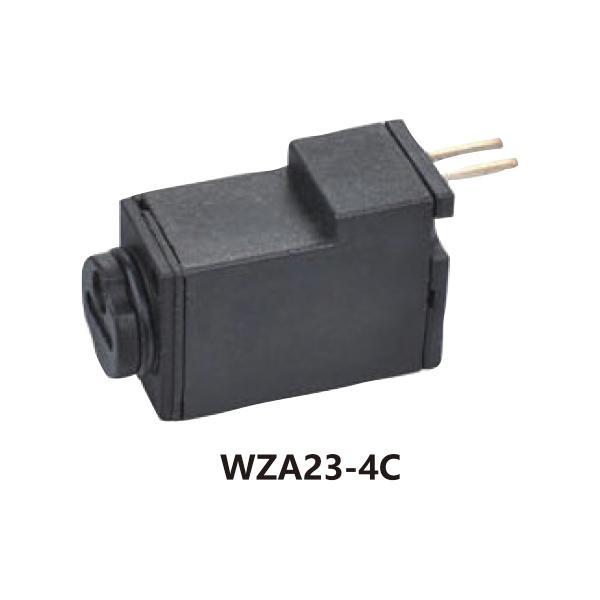
Where a mini solenoid valve fits into the circuit
Once air exits the FRL unit at the correct pressure and cleanliness, it enters the control section of the circuit. This is where directional control valves — including solenoid-operated types — take over. A pneumatic solenoid valve uses an electromagnetic coil to shift a valve spool or poppet, redirecting air flow to actuators such as cylinders, grippers or rotary actuators.
A mini solenoid valve in an Australian pneumatic circuit typically sits in one of two positions: directly in line as a shut-off or isolation valve, or as a directional control valve feeding a small actuator. The distinction matters for sizing because flow requirements differ significantly between these two roles.
As an inline shut-off, the valve needs to handle the full circuit flow rate without creating excessive pressure drop. The Cv (flow coefficient) is the relevant specification here — a Cv that is too low for the actual flow rate will create a pressure drop across the valve that affects actuator speed and force downstream.
As a directional control valve, port size and actuation configuration are more important. A 2-way solenoid valve controls a single flow path — open or closed — making it appropriate for simple on/off control of a single-acting cylinder or a pneumatic clamp. More complex actuator sequences require 3-way or 4-way configurations, with the latter being the standard choice for double-acting cylinders where both extension and retraction need active control.
LIDING® produces a range of directional control elements, including configurations suited to compact pneumatic circuits. Products such as two-position four-way valves used in oxygen concentrators and similar applications demonstrate the kind of precise directional switching that miniature solenoid valve designs must deliver reliably in service.
Voltage, port size and pressure: matching specs to your application
When Australian buyers are comparing options — particularly those searching for a mini solenoid valve in Australia for a home automation project, a small manufacturing cell or a DIY pneumatic build — the three specifications that most commonly cause selection errors are voltage, port size and operating pressure range.
Voltage
Australia's standard AC supply voltage is 230V at 50Hz. Most industrial electric solenoid valves are available in 24V DC, 24V AC or 230V AC coil versions. For automation and control applications where a PLC or microcontroller is managing valve switching, 24V DC is the dominant choice because it integrates directly with standard I/O modules without requiring a separate relay stage for voltage isolation.
For DIY and hobbyist applications — including garden automation, pneumatic tools and small workshop rigs — a 12V solenoid valve is often preferred because it can be powered directly from a standard 12V DC power supply or battery system. This is particularly relevant for outdoor irrigation and remote installations in Australia where running 230V cabling creates safety compliance requirements. A 12V DC coil solenoid valve used with an appropriately sized power supply and waterproof enclosure simplifies both installation and regulatory compliance in these contexts.
One common purchasing mistake is ordering a valve with the correct port size and pressure rating but the wrong coil voltage. When buying online, confirm the coil voltage against the power source in the application before placing the order, not after.
Port size
Port sizes for pneumatic solenoid valves are expressed in BSP (British Standard Pipe) thread sizes in Australia, which follows the metric-imperial conventions inherited from the British Standards system still widely used in Australian plumbing and pneumatic fittings. Common miniature valve port sizes are 1/8" BSP and 1/4" BSP, with M5 ports appearing on the smallest micro-format valves used in instrumentation and medical pneumatics.
Matching port size to the existing circuit fittings matters for practical installation. A 1/4" BSP port on a valve feeding into a circuit plumbed with 1/8" BSP fittings creates a mismatch that either requires reducers — adding leak points — or means the valve's flow capacity is not being used efficiently.
Operating pressure range
Miniature and micro solenoid valves have tighter operating pressure ranges than full-size industrial valves. A normally closed solenoid valve in a compact format typically requires a minimum pilot pressure to maintain a reliable seal when de-energised. If the circuit operating pressure falls below this minimum — common in low-flow compressed air systems or when running from a small tank compressor with a low cut-in pressure — the valve may leak in its rest state.
Check both the minimum and maximum operating pressure specifications, not just the maximum. For circuits running at 0.2 to 0.4 MPa, confirm the valve is rated to operate reliably at the lower end of that range.
| Application type | Typical voltage | Common port size | Pressure range |
|---|---|---|---|
| Industrial PLC-controlled cell | 24V DC | 1/4" BSP | 0.15–0.8 MPa |
| DIY workshop / small automation | 12V DC or 24V DC | 1/8" BSP | 0.1–0.6 MPa |
| Garden / irrigation automation | 12V DC or 24V AC | 1/2" BSP or 3/4" BSP | 0.02–0.8 MPa |
| Instrumentation / medical pneumatics | 24V DC or 5V DC | M5 | 0–0.5 MPa |
Irrigation vs. industrial: two different solenoid valve categories
A significant source of confusion when searching for a mini solenoid valve in Australia is that the search results commonly return both pneumatic control valves and irrigation solenoid valves side by side. These are functionally different products that share a name but are not interchangeable.
Irrigation solenoid valves — the type used to control water flow in garden reticulation and drip systems — are designed to handle liquid water at relatively low pressures, typically between 0.07 and 0.8 MPa. They are normally designed as solenoid valves for water and are often pilot-operated, meaning they use line pressure to assist the opening force. This design works well with water but is not appropriate for compressed air applications where supply pressure can drop rapidly and the valve needs to operate reliably across a wider range of conditions.
Pneumatic solenoid valves — the type used in compressed air circuits — are designed for air and inert gases. They handle the rapid cycling that pneumatic actuator control requires, have coil designs suited to continuous energisation in some cases, and are built to manage the flow rates and pressure differentials characteristic of compressed air systems.
If your project involves controlling water flow — for example, in an automated greenhouse system or a garden watering timer — a solenoid valve designed for water is the appropriate choice. If the application involves compressed air directing an actuator, a pneumatic solenoid valve is required. The fact that both appear in results when you search for a solenoid valve online in Australia means this distinction is worth confirming before purchasing.
For projects that use pneumatic actuators in combination with water control in the same automated system, the two valve types run on separate circuits. The pneumatic valves manage actuator movement; the water-rated solenoid valves handle liquid flow. Using a water valve in the air circuit, or a pneumatic valve on a pressurised water line, creates reliability and sealing problems in both directions.
Body materials and why they matter in Australian conditions
Solenoid valve bodies are most commonly produced in brass, aluminium, stainless steel or engineering polymers. Each material has a different performance profile, and the Australian operating environment creates some specific selection considerations.
Brass solenoid valves
A brass solenoid valve is the most widely available format and suits the majority of compressed air applications. Brass provides good machinability — which supports precise internal geometry and sealing surfaces — along with reasonable corrosion resistance in dry air service. It is compatible with most standard valve seal materials and is a practical choice for workshop and light industrial use.
In coastal Australian locations where salt air is a factor, brass can corrode faster than in inland dry environments. For outdoor or exposed installations near the coast, additional protection — painted surfaces, sealed enclosures or stainless steel alternatives — is worth specifying.
Aluminium bodies
Aluminium valve bodies are lighter than brass and are common in larger manifold-mounted valve assemblies. They are appropriate for indoor and controlled-environment installations but are more susceptible to surface corrosion in humid or salt-exposed environments. Anodised aluminium improves surface corrosion resistance without adding significant weight.
Stainless steel
Stainless steel bodies offer the best corrosion resistance and are used in food processing, pharmaceutical, marine and other environments where chemical exposure or hygiene requirements are strict. They are heavier and more expensive than brass equivalents and are not necessary for general compressed air applications, but they are the correct choice when the medium or environment demands it.
Polymer bodies
Engineering polymer valve bodies — typically nylon or acetyl — are lightweight and chemically resistant, making them appropriate for applications involving aggressive fluids or where electrical isolation is a requirement. In compact pneumatic circuits handling dry air at moderate pressures, polymer bodies are a viable and cost-effective option, particularly in the miniature and micro size ranges.
Buying solenoid valves in Australia: what to check before ordering
When you buy solenoid valves online in Australia, the range of available products spans genuine industrial components, commodity-grade imports and application-specific designs all listed at similar price points. The following checks reduce the likelihood of ordering a valve that is technically unsuitable or fails early in service.
Confirm the full specification sheet is available
A reliable solenoid valve supplier in Australia should be able to provide or link to a specification sheet showing: operating pressure range (minimum and maximum), coil voltage and power consumption, port size and thread standard, flow coefficient (Cv or Kv), seal materials, ambient and fluid temperature ratings, and IP rating if the valve is intended for use in wet or dusty environments. If a product listing does not include this information and the supplier cannot supply it on request, that is a meaningful signal about the product's traceability.
Check IP rating for the installation environment
IP rating indicates the degree of protection the valve enclosure provides against solid particles and liquids. For indoor, dry industrial use, IP65 is a common standard. For outdoor installations, washdown environments or dusty manufacturing locations in regional Australia, IP67 or higher is worth specifying. Valve coil connections are a particular vulnerability — ensure the electrical entry point to the coil housing is rated for the environment, not just the valve body.
Verify seal material compatibility
Standard NBR (nitrile) seals are appropriate for compressed air and many hydraulic fluids. Compressed air circuits that use synthetic compressor oils may require EPDM or Viton seals depending on the oil formulation. For compressed air used in food processing or pharmaceutical applications, FDA-compliant seal materials are required. This detail is frequently omitted from basic online product listings and is worth confirming directly with the supplier before ordering.
Consider response time for high-cycle applications
Standard solenoid valves have response times in the range of 10–50 milliseconds. For high-speed automation — where a valve may be cycling many times per minute — response time and coil duty cycle (the proportion of time the coil can remain energised without overheating) become meaningful parameters. A valve with a low duty cycle rating cannot be used in a continuously energised application without thermal management.
Replacement parts and local support
For anything beyond a one-off project, consider whether solenoid valve replacement parts — coil assemblies, seal kits, diaphragms — are available locally or can be sourced with reasonable lead times. A valve with no available service parts effectively has a service life limited to the initial component, making planned maintenance impossible. Suppliers with Australian stock or a local distribution partner are preferable for this reason, particularly for components in continuous production use.
LIDING® offers a broad range of pneumatic control elements, including directional control valves and air source treatment components, with product support available through established supply channels. For Australian buyers evaluating pneumatic solenoid valve options, reviewing product documentation against the specification checkpoints above — voltage, port standard, pressure range, seal material and IP rating — remains the most reliable way to avoid mismatches before purchase.
Frequently asked questions
What is the difference between a normally closed and a normally open solenoid valve?
A normally closed solenoid valve blocks flow when the coil is de-energised and opens when power is applied. A normally open valve does the opposite — it passes flow in its rest state and closes when energised. For safety-critical applications where loss of power should stop air flow to an actuator, normally closed is the standard choice. For applications where power loss should allow an actuator to return to a rest position under spring force, the valve configuration needs to match the actuator type and the fail-safe requirement.
Can I use a 12V solenoid valve with a standard Arduino or Raspberry Pi?
Not directly. Arduino and Raspberry Pi I/O pins operate at 3.3V or 5V and cannot source the current required to drive a solenoid coil. A 12V solenoid valve requires a separate 12V power supply and a switching circuit — typically a transistor or a relay module — controlled by the microcontroller's signal pin. This is a standard approach in DIY pneumatic and irrigation automation projects in Australia, and relay modules designed for this purpose are widely available.
Is a hydraulic solenoid valve the same as a pneumatic one?
No. A hydraulic solenoid valve is designed for pressurised liquid service, typically at much higher operating pressures (often 100–350 bar or more) than pneumatic valves. The body construction, sealing materials and internal geometry are different. Using a pneumatic solenoid valve in a hydraulic circuit is not appropriate and will result in seal failure. The reverse — using a hydraulic valve in a low-pressure compressed air circuit — may function in some cases but is overspecified and not recommended as a standard practice.
What does Cv mean and why does it matter when selecting an inline solenoid valve?
Cv is the flow coefficient — a measure of how much flow a valve passes at a given pressure differential. For an inline solenoid valve, a Cv that is too low for the actual flow demand in the circuit creates a pressure drop that reduces actuator speed and available force. Manufacturers publish Cv values in product specifications. As a practical guide, undersizing Cv is a more common selection error than oversizing it, since a larger-than-necessary Cv does not create operational problems in most pneumatic applications.
Do I need a lubricator if I'm using a mini solenoid valve with a small cylinder?
Check the cylinder and valve documentation before adding a lubricator. Many modern compact pneumatic cylinders and small solenoid valves use pre-lubricated seals that do not require oil mist in the air supply. Introducing compressor oil into a circuit with these components can degrade the factory seal lubrication and shorten service life. If the manufacturer specifies oil-free air for downstream components, run the system without a lubricator or fit one only on circuit branches where oil-dependent components are present.
Recommended News
To enrich all employees’ extracurricular cultural life, strengthen team spirit, and foster a healthy, positive corporate culture, the Lida Pneumatics Fun Sports Day kicked off under the red flag on the company playground on the afternoon of November 21, 2026, with enthusiastic participation from all current employees.
SOCIAL PAGE
STAY CONNETED WITH US ON


If you are interested in our products, please leave us a message. We look forward to providing you with professional services!
Messages
CONTACT
Ningbo LIDA Pneumatic Complete Sets Co., Ltd.
Domestic Trade Department:
Foreign Trade Department:
QR code
Copyright © Ningbo LIDA Pneumatic Complete Sets Co., Ltd. All rights reserved. Powered by www.300.cn SEO